
What you need to know about eating disorder patients and GLP-1s
A personal history from an ED survivor that every clinician needs to read


This guest essay by writer and ED survivor Gabriela Ponce explores a little discussed but highly relevant feature of the peptide boom: what the commercial availability of weight loss medication means for those with eating disorders.
In order for peptide therapies to be implemented safely, clinicians must understand the complex backgrounds of the peptide-seeking population. Gabriela’s essay joins recent others in shedding valuable light on what the ubiquity of weight loss medications means for recovering anorexics, and how clinical empathy can go a long way.
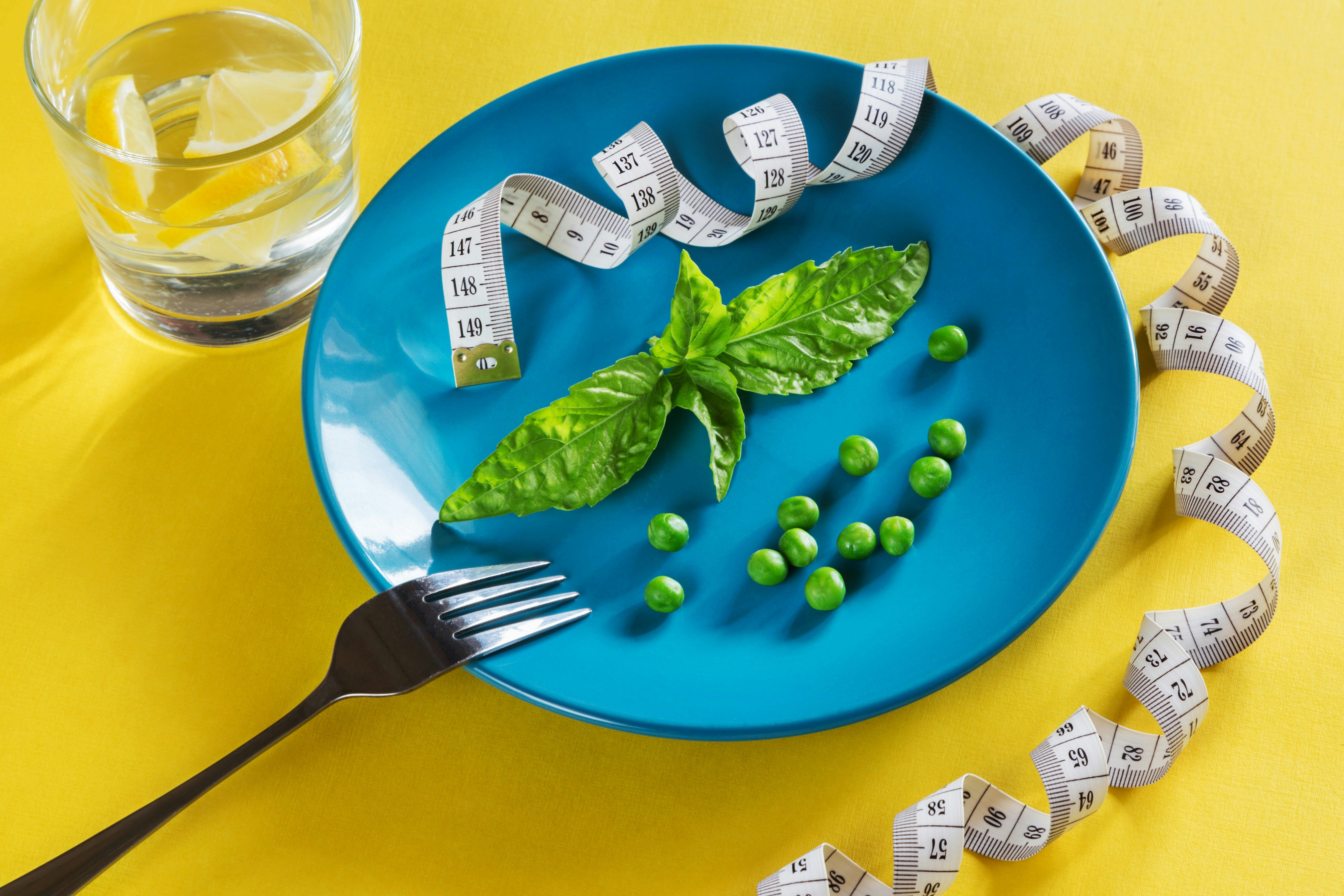
Why Is No One Talking About GLP-1s and Eating Disorders?
I.
As of August 2025, approximately 12% of U.S. adults are taking a GLP-1. Everywhere I turn, be it TV, social media, or the ads plastered on the NYC subway train, the message is the same: “You too can lose weight and reap the benefits.”
But weight loss isn’t always good. I was sixteen when I developed an eating disorder. Twenty-six when I hit rock bottom.
I remember the day I stood in nothing but my underwear staring at the absurdly low number on the scale with sick elation. I had finally done it! After a decade, I had finally managed to shrink my body more than I had ever thought I could.
I had lived through the weight fluctuations that accompany disordered eating and crash diets for years before the control of anorexia kicked in. But once it did, the number on the scale only ever went down.
I shed weight rapidly, and every single pound that left my body was cause for celebration. My weight loss brought praise from loved ones and strangers alike. “Wow, you look amazing! Whatever you are doing, keep with it.”
Soon enough, I was addicted to winning the game of weight loss.
The voice of anorexia is conniving and loud. It tells you that weight loss is nothing if not exhilarating, and that “being thin” will bring salvation and success. It is tenacious, stubborn, and disciplined. It will make sure you give your weight loss journey your all so that you can either win the race to “skinny,” or die trying.
In my eating disorder group, we referred to the voice of our illness, that inner monologue that consumed us, as “The Voice of the Monster.” It measured us against everyone else, equated thinness with worth, and convinced us that losing weight would not only solve every problem in our lives but also lead us to the Holy Grail. For many of us, weight loss began as a competition against others, and then became one against ourselves and our former selves: “Can I weigh less than I did last week?”
I come from a complicated history of emotional abuse, and have struggled with suicidal ideation for years, and though I have worked tirelessly to overcome my trauma, recovering from my eating disorder remains the hardest thing I have ever done.
I spent years working closely with therapists, psychiatrists, and nutritionists—medical professionals who held my hand as I learned to quiet the voices in my head, establish new priorities, and shift my relationship with food.
As it turns out, quelling the voice of an eating disorder often gives way to a new identity. For me, that meant reevaluating the relationships I had formed and fostered while ill, navigating a divorce, starting a new career, and building a community that better suited my health.
Anorexia is tenacious, stubborn, and disciplined. It will make sure you give your weight loss journey your all so that you can either win the race to “skinny,” or die trying.
Trust me when I say, there has been nothing more challenging in my life, and I had a team of doctors who supported me and guided me every step of the way.
Twenty years later, I live a completely different life from the one I did when I was sick. I am a mother, a wife, and an athlete who values health, strength, and performance above “being thin.”
“I am more than my size,” has been my mantra for almost 2o years. I repeat it to myself whenever I look in the mirror and don’t feel comfortable in my skin, though now that concept is challenged by Serena Williams, the new face of Ro. Is being an athlete not enough anymore?
II.
A few years ago, my husband—whom I met eighteen years earlier when he was competing in triathlons and ironman competitions—was diagnosed with diabetes. His doctor prescribed a GLP-1, and I have watched his health and body transform right before my eyes.
When I asked my husband, who is one of the most disciplined people I know, if he could have achieved and maintained this extreme weight loss on his own, his answer was a succinct, “No.” The same goes for countless Americans who have struggled for years and have finally found change with the help of semaglutide or tirzepatide administered under the care of a prescribing physician.
There is no question that GLP-1s work. They are here to stay.
But the effects of these drugs are felt on a multitude of levels—not just physiological ones. In October of last year, the New York Times published an article and a podcast about the effect weight loss drugs can have on a marriage. Reading this, I immediately thought back to my own recovery and my divorce, and wondered if people are getting the support they need to navigate what it means to find yourself anew in the wake of dramatic weight change.
Another concerning factor in the GLP-1 boom is that these drugs are now accessible to the general public. Initially, to obtain a GLP-1, one had to meet with a doctor, be evaluated face-to-face, and get a prescription. Today, you no longer need a medical diagnosis to obtain semaglutide; you can visit an online pharmacy, complete a simple survey, and have it mailed to your front door. Everyone from celebrities walking the red carpet to influencers hoping to increase their followings to friends looking to shed some extra pounds is taking them, and I am beginning to feel left out.
Just like in the early 90s, being unnaturally thin is, once again, in, and those internal voices I worked so hard to quiet are no longer internal; they are the loudest conversations out there.
“My Doctor told me my BMI was too low. Ladies, apparently BMI matters more than being confident in your body,” says a woman sponsoring Willow, a telehealth weight-loss company.
It is also worth noting that the women endorsing these drugs on social media tend to be remarkably thin. An ad for Freya, another telehealth weight-loss company, shows a young woman bragging about standing in front of the most delicious pizza she has ever seen, yet showing no interest in trying it. “I don’t want it,” she proclaims. “My stomach is so small I can only eat a quarter of what I normally ate before.”
Her words make me nostalgic for the height of my anorexia, when no amount of skinniness was enough, and despite having not eaten all day, I still turned down dinner every night and lay in bed tracing my fingers over protruding bones and sunken crevices as if reading braille, finding sick comfort in a body that was eating itself, leaving not much more than skin and bones.
It seems the body positivity movement of the 2010s is over. As I see bony bodies walk the red carpet, my eating disorder—long lurking in the shadows—wants back in the game.
The other day, I created a profile on Hers.com to see what it would take for me to get my hands on a weight-loss GLP-1. After taking a simple questionnaire (e.g.“Yes, I’d love to lose <10 pounds.” “Yes, I want my clothes to fit better.”) I found myself one click away from hitting “purchase.”
There was one question I did not answer honestly, and that was the one that asked me whether I had ever been treated for an eating disorder. It was easy to lie and click, “No.” Anorexia has no shame.
III.
Ever since I became GLP-1-curious, my Instagram has been feeding me more posts with women pushing me to buy them. If the cravings are calling, you need Evolv. Want to improve your confidence? Try Willow! My doctor told me I wasn’t heavy enough to go on a GLP-1, but this site approved me the same day! The ads go on and on.
These messages are triggering and dangerous to me and to people in the eating disorder community. They remind us of the lies our eating disorder convinced us would solve our problems.
One of the reasons GLP-1s are effective is their appetite-suppressing effect that leads to a caloric deficit. While this is helpful for patients with a medical need to lose weight, it’s problematic for people who don’t have one. Without the necessary caloric intake, the underweight body will begin to lose muscle and eventually other critical mass essential for organ function.
You know that “food noise” that Ozempic quiets? Well, it’s that noise that I, and other people in my community, rely on to eat enough to stay healthy, to stay alive.
If GLP-1s are here to stay, we need to be clear about who they help and who they could harm.
There is no one to control the Instagram algorithms and protect the eating disorder community from the harmful messages we are bombarded with? The new companies promoting weight loss to people who don’t need to lose weight are preying on the weak and the vulnerable. Their efforts are reminiscent of the late 90’s, when pharmaceutical companies focused on promoting pain killers as safe and non-addictive to the most vulnerable communities. Without meaningful intervention, guided treatments, and a real understanding of who these drugs are for, GLP-1s risk becoming as psychologically addictive as opioids.
Like alcoholics, people in the ED recovery community are always susceptible to relapse. Anything from a changing body—25 percent of recovering people with anorexia experience a relapse during the early months of pregnancy—to a stressful environment can lead us back into dangerous behavior. When we give up food, we often give up everything that goes with it, and can spend years isolated from people. Add taking a GLP-1, which is now said to sometimes lead to emotional flattening, to a history of disordered eating and low body esteem, and you are adding a layer of complexity to recovery.
In an interview with Samantha DeCaro, Director of Clinical Outreach and Education of The Renfrew Center, I learned that women are coming into the eating disorder recovery programs without experiencing the physiological cues necessary to feed themselves, and don’t want to go off GLP-1s for fear of weight gain. It’s hard to start recovery if you are taking a medication that curbs the biological cues necessary for recovery.
Without meaningful intervention, guided treatments, and a real understanding of who these drugs are for, GLP-1s risk becoming as psychologically addictive as opioids.
Another major aspect of recovery is the time and effort spent exposing patients to social encounters around food and reintroducing the pleasure of shared experience. Meals aren’t just about food and calories; they are about people coming together, sharing, laughing, and connecting. Community is one of the greatest strengths of recovery. So what happens when the medication prevents us from wanting to feel those pleasures? How do we find our way to recovery then?
The problem with GLP-1s is not the science that brought them to us, but the way access and culture collide. There is no escaping the fact that these medications are here to stay, but if we can regulate how they are advertised and prescribed while pushing for clear labeling of the risks, we can mitigate some of the damage. Above all, we need to ensure that people are aware of how these drugs are prescribed correctly versus how they’re being abused, and that access to mental health support is as easy as access to the medication itself.
Author bio: Gabriela Ponce was born and raised in Quito, Ecuador, and later moved to Baltimore to attend the Maryland Institute College of Art, where she graduated with a major in photography.
Gabriela has spent her adult life focusing on healing from trauma and finding wellness and stability through movement. In 2022, she became a certified life coach and has spoken extensively about her eating disorder recovery on various platforms. She lives with her husband and daughter in Brooklyn, NY, and is writing a memoir about her journey.

Peptide Research, Done Cleanly — Peptide Partners. Independent HPLC/MS, batch COAs, and endotoxin screening to USP <85> validate identity and purity of peptides for research. Browse inventory and view certificates at Peptide Partners.
 | A guest post by
|
I am recovered from an eating disorder and glp1s have been Iife changing for me. Years and years of forcing myself not to eat and to be miserable and this medication has made my hunger signals "normal". Like "oh, are other people not constantly hungry??" "Other people aren't thinking about food all the time including while they are currently eating??" I do think there needs to be more oversight for folks to get this medication, but I also think it would be harmful to just blanketly say "eating disorder history means no med access". My doctor actually had to leave my eating disorder history out of my prior authorization request for zepbound because my insurance wouldn't cover it otherwise. That being said, I am working very closely with my doctor and my trauma therapist to make sure that I am not triggering any past eating disorder behaviors while on this med. Anyone with an eating disorder history who takes these meds should be working closely with a therapist, psychiatrist, and dietitian.
I'm really glad you wrote about this, as it is such an important topic. There needs to be more awareness spread on the negative effects weight loss can have for some and how disordered our society's view on it mostly is. I'm also happy to hear that you've come so far in your recovery. I actually just wrote about some negative side effects on weight loss as well as I'm so worried about it being so glamorized. Let's spread the message!!